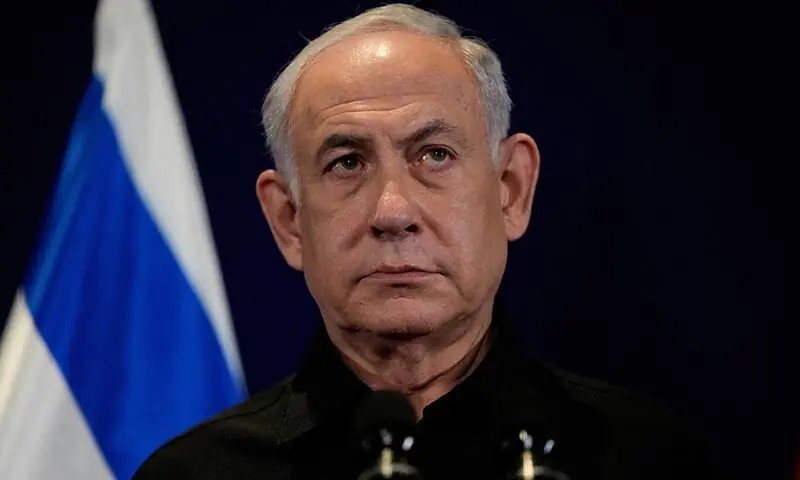
The biggest casualty of the US-Iran deal may not be Israel’s Iran strategy, but the political brand Prime Minister Benjamin Netanyahu spent decades constructing as the Israeli leader who could uniquely bend Washington to his will on Iran, analysts, former US officials. diplomats say.
Netanyahu built his political identity on an audacious assertion: that he alone could keep the US. Israel in strategic lockstep on Iran.
Cultivating Republican support, he cast himself as the only Israeli leader capable of influencing successive US presidents. insisted that only sustained military pressure could contain Tehran.
At the height of his power, he was described by diplomats as the “American whisperer”, the Israeli leader who could pick up the phone. ensure Washington’s strategic calculus aligned with that of Israel.
No other Israeli prime minister, they note,addressed Congressas often or built such enduring political capital across the American political system.
But analysts say Washington. Tehran’sinterim pactto end the war that the US and Israellaunchedin February shows how that narrative has been reversed. Rather than shaping Washington’s Iran policy. Netanyahu is now forced to accept it, as US President Donald Trump pursues a settlement that increasingly treats Israeli objections as constraints.
At home, the reckoning is equally stark, said former US official Dennis Ross.
“Netanyahu is increasingly boxed in between a US president intent on ending the conflict. a domestic base resistant to concessions, particularly in Lebanon,” he said.
Withdrawal risks political backlash, while escalation risks confrontation with Washington.
The war Netanyahu hoped would cement his legacy as the leader who confronted Iran may instead be remembered as the conflict. dismantled a central source of his power.
Isolated abroad, constrained by his closest ally. vulnerable ahead of an autumn election, he now finds the political asset on which he built his career has become his greatest liability.
At the outset of the war with Iran, Netanyahu promised ultimate victory. He delivered neither the collapse of Iran’s ruling system. nor the defeat of Lebanon’s Hezbollah, nor a safe return for residents of northern Israel.
“The US-Iran deal is a decisive blow to Netanyahu,” said Aviv Bushinsky, a former Netanyahu adviser. “Not only did he lose the war with Iran, he has also lost Trump as a friend.
“He is now isolated not only internationally, but locked in a major dispute with Trump,” he added.
Netanyahu’s office did not respond to a request for comment.
In a press conference this month, the Israeli premier described his relationship with Trump as one between partners who “agree many times. sometimes disagree”.
There had been a systematic campaign to diminish Israel’s “huge achievements” against Iran, he said.
A White House official said Trump. Netanyahu had a strong relationship and that Israel’s military forces had been “incredible partners” in a war that had “decimated the Iranian regime’s military capabilities”.
The disagreement between the US. Israeli leaders, analysts say, extends beyond personal ties to a growing divergence in goals: Trump seeks to disengage from another Middle East war, while Netanyahu views continued pressure on Iran and its ally Hezbollah as essential to Israel’s security.
Washington hasnegotiated directlywith Tehran, folded Lebanon’s conflict between Israel. Hezbollah into a broader framework, and created mechanisms to manage ceasefire disputes, moves that, according to three regional diplomatic sources, have increasingly sidelined Israel from key decisions.
The country that once viewed Netanyahu as an indispensable interlocutor is now. the regional sources say, treating him as an obstacle to an agreement it is determined to protect.
Trump haspublicly rebukedIsrael’s military conduct in Lebanon. while US Vice President JD Vance has underscored the conditional nature of the relationship,warningIsraeli critics of the deal against attacking the only powerful ally they have left in the world.
Two Israeli officials familiar with Netanyahu’s thinking said he was not concerned that public remarks by Trump. Vance would translate into meaningful shifts in US policy toward Israel, such as delays in arms deliveries, even if Israel continues military operations in Lebanon.
Trump has signalled that he is prepared to override Israeli priorities in pursuit of US interests. In a TV interview this month, he said that if he tells Netanyahu to do something, “he does it”.
Iran will seek to widen the emerging gap between the US. Israel by portraying any Israeli military action in Lebanon as an attempt to sabotage Trump’s diplomacy, forcing the White House to choose between backing its ally or preserving the deal, said Ali Vaez of the International Crisis Group.
What makes Netanyahu’s position so precarious, US analysts say, is the loss of his safety net.
For years, he cultivated Republican backing, using it as a counterweight to offset tensions with Democratic administrations,. openly denouncing former President Barack Obama’s2015 Iran nuclear dealfrom a congressional podium.
But Republicans will not break with Trump for Netanyahu, they said.
Against this backdrop, the implications of the US-Iran deal also extend to Netanyahu’s core strategic bets. He staked his political future on two objectives: weakening, if not toppling, Iran’s leadership. securingnormalised relationswith Saudi Arabia by expanding theAbraham Accords.
Neither has materialised.
Iranian leaders have emerged from the conflict entrenched, while the Saudi handshake remains out of reach.
Across the region, a recalibration is already visible. Countries Netanyahu once hoped to draw closer. with Saudi Arabia as the crown jewel, are now hedging, cautiously reopening channels with Tehran.
According to Gulf sources, the logic that underpinned the Abraham Accords has been eroded by theGaza war, the unresolved question of West Bank annexation,. a growing perception that Netanyahu’s Israel may be more of a liability than an asset in any emerging regional order.
An Iranian official said Netanyahu’s push to expand the Abraham Accords has been blunted. with several countries now seeking a place in an emerging Iran-aligned framework.
“This is not just a victory for Iran. It’s a failure for Netanyahu,” the official said. “The Islamic Republic has not just survived, it has emerged as a more influential regional player.”
Discussion
Sign in to join the thread, react, and share images.