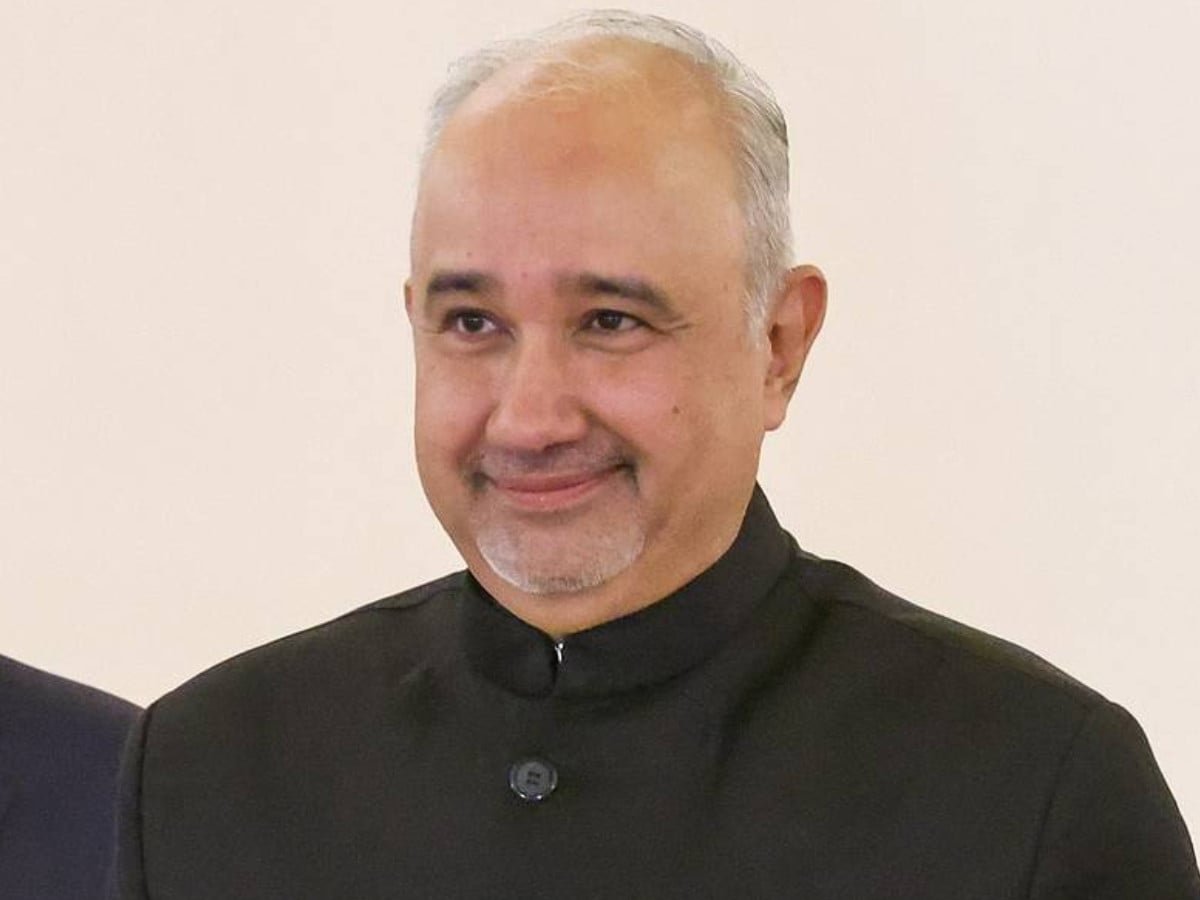
Says, 'We are now also considering building a pipeline from Central Asia and Russia at some point'
Pakistan's Ambassador to Russia Faisal Niaz Tirmizi said on Tuesday that Pakistan planned to increase oil imports from Russia due to the crisis in theStrait of Hormuz. as "Islamabad is looking for alternatives."
During an interview with theRussian news agencyTASS,the envoy stated. demand for Russian energy resources had surged amid the crisis around the strategic waterway.
"We produce about 10% of the energy resources we need ourselves. while the rest is imported, mainly from the Persian Gulf countries. A serious crisis has arisen, and that is why we began to look for alternatives," he said.
At some point, he said, alternative pipelines from Turkmenistan and Russia to South Asia would also be discussed.
The opening of the Strait of Hormuz is the main topic in the negotiations around Iran. Pakistani Ambassador to Russia Faisal Niaz Tirmizi told TASS in an interview:https://t.co/9KlgqvUg62pic.twitter.com/uBuPnOOZJd
Tirmizi further said that "the situation in the Strait of Hormuz has become a worrying signal for a number of countries, including Pakistan," adding, "Of course, Russia is a major supplier of both oil. energy resources."
The envoy said that Islamabad was even looking beyond Pakistan. "We are now also considering building a pipeline from Central Asia andRussia at some point. This could mean connecting the Eurasian space through roads, railways, pipelines, humanitarian contacts,. academic ties," he said, adding, "This is what we are truly striving for now."
Regarding theopening of the strait, Tirmizi said that it remained the main topic innegotiations surrounding Iran. "The most pressing issue right now is the opening of the Strait of Hormuz. which wasn't even on the table at the beginning," he said.
Further, the envoy noted that 22% of the world's oil, along with LNG, fertilisers,. raw materials for fertiliser production, passes through the waterway. He added that around 30 million expatriates reside in the Persian Gulf region, with Indians making up the largest group, numbering about 10 million, followed by Pakistanis, Bangladeshis, Filipinos, Sri Lankans, Nepalese,. people from African and Latin American countries.
"In other words, a great many people live in this part of the world. Large volumes of remittances also flow from the Persian Gulf countries to these nations. Therefore, we will likely be able to bring this entire conflict to a peaceful settlement," Tirmizi toldTass.
Read More:Pakistan dangerously dependent on imported oil
The US. Israellaunchedan attack on Iran in February, after which Tehran retaliated with strikes and closed the Strait of Hormuz, disrupting global oil supplies and triggering a sharp rise in international oil prices.
Last week, the government hiked the price of petrol by Rs14.92. that of high-speed diesel (HSD) by Rs15 for the next week amid the fuel crisis triggered by the blockade of the Strait of Hormuz.
This was thesecond consecutive increasesince April 30, when the government raised petrol prices by Rs6.51 per litre. HSD prices by Rs19.39 per litre.
Amid the rising prices globally, the government, in the first week of March, increased petroleum product prices twice.
Earlier in April, the government raised the petrol price byRs137 per litre, taking it to a record Rs458.4. However. a day later, the prime minister, in a televised address, announced a Rs80 per litre reduction in the petroleum levy on petrol, bringing its price down to Rs378 per litre.
Comments are moderated and generally will be posted if they are on-topic and not abusive.
For more information, please see ourComments FAQ
Discussion
Sign in to join the thread, react, and share images.