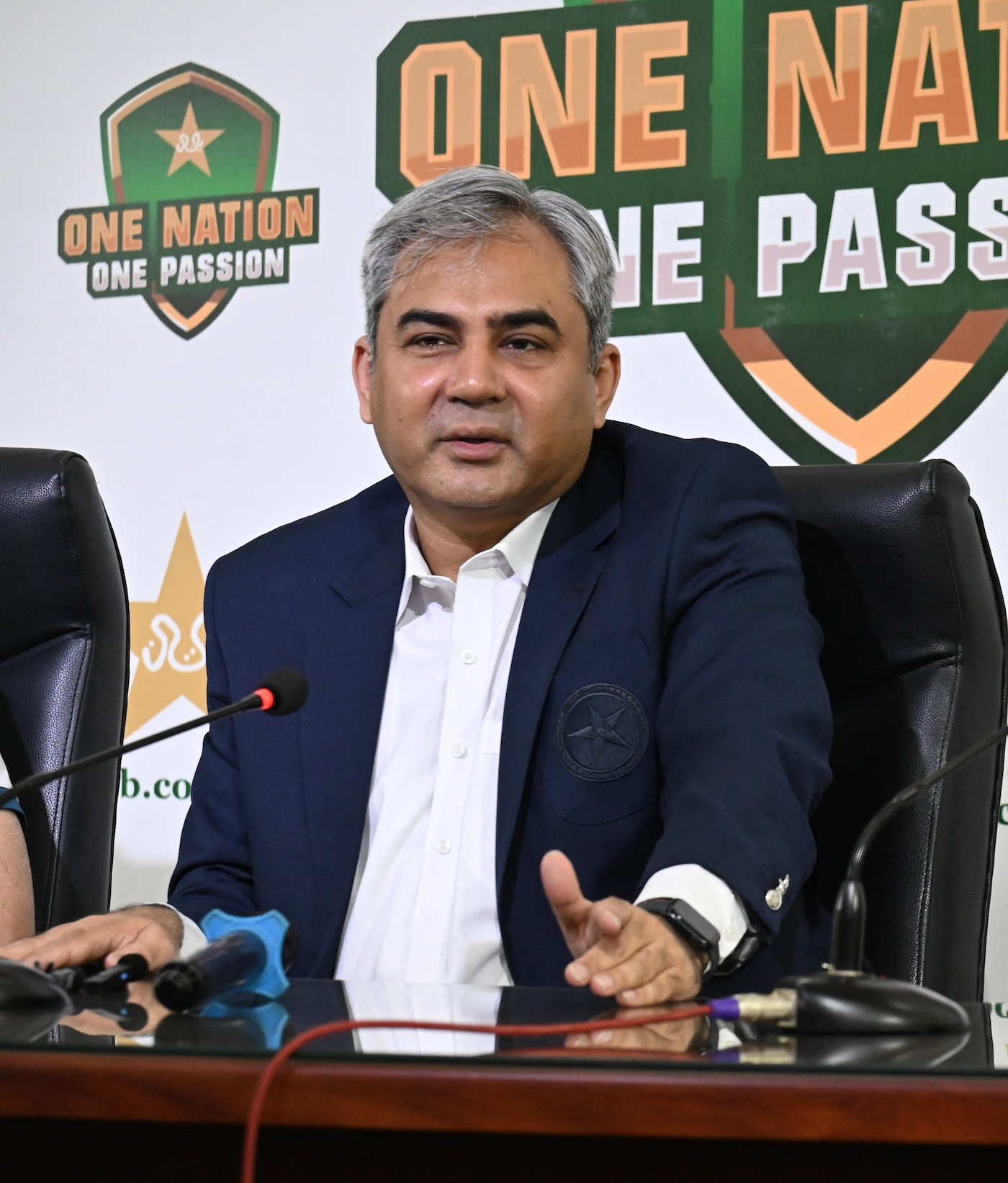
Earlier on Monday, the PCB announced a drastic overhaul to the way central contracts are awarded to Pakistan's international cricketers. It was announced by PCB chairman Mohsin Naqvi. who had been soft-launching the changes over the past few days, that traditional player categories will be completely dispensed with, replaced by a system that focuses heavily on data analytics, reducing the role of "human selectors by 85%". It also aims to draw clearer boundaries between formats.
To that end. the PCB released a document that acts as a public guideline for the changes the board is seeking to implement. ESPNcricinfo spoke to officials involved to explain what changes followers of Pakistan cricket should expect to see
Simply put, they will no longer look like they used to. In the past. at the end of June, when players' central contracts ran out, the PCB would announce which players had been retained, released or added. Broadly speaking, they ended up with four player categories, with the best-performing players placed in Category A, which was the best remunerated,. so on through to Category D. Player salaries for each category were made publicly available.
Now, however, player categories will no longer reflect the quality or performance of players in the same way. Selected players will instead be placed in "format tracks" instead of categories. Test specialists will be placed in track A, with Test and ODI players awarded track AB. White-ball players will be given track BC contracts, with T20 specialists given track D contracts. D contracts will give players more freedom to play franchise T20 leagues around the world. while the heaviest restrictions will be placed on Test specialists, or those in track A.
So what's the incentive for players to be placed in track A. or be Test specialists, if they are likely to be largely excluded from T20 franchise leagues?
This has been a question plaguing cricket boards outside the traditional Big Three for much of the past two decades. Naqvi has been keen to find a way to incentivise Test cricket despite the overwhelming financial opportunities T20 players now have around the world. To counter that loss of earning, the PCB has promised that Test cricketers will be paid significantly higher amounts to white-ball. T20 specialists. The latter will be paid less. with the understanding their earnings will be topped up by money they earn from the franchise circuit.
How much detail about which track a player has been assigned to will be made public?
This is one of the more contentious points of the document. Despite promising more transparency than ever before. the PCB document clearly states that they will not announce whether a player is in track A, or any other track. In effect, that means the public cannot know whether a player is contracted as a Test specialist, a Test. ODI player, a white ball player, or a T20 specialist. The number of players contracted to these categories will also not be revealed, making it tricky to establish publicly, how the PCB views any particular player,. what the parameters of their selection are.
ESPNcricinfo understands this is a fluid arrangement that could be subject to change. with some player categories eventually being made public. However, that is not a decision they have taken at this stage. That means player contracts, which were previously announced prominently, will now become an internal matter.
Do the players choose which format they want to specialise in, or which track they want to follow?
While the document refers to players' "chosen pathways". ESPNcricinfo's understanding is that the decision to select a track for a player will be wholly made by the Pakistan management. That means. for example, that if the PCB wish to see Naseem Shah play Test cricket rather than white-ball cricket, it would not be a decision the player could challenge.
The PCB's decision will be based on the needs of the Pakistan team,. which formats they wished to see certain players turn out in. Naqvi. Mike Hesson did promise at the press conference that a player tracked into the Test specialist category would not miss out economically, with the board making it worth their financial while.
The PCB did attempt to present this as a new strategy,. it appears that the board wants a greater focus on decisions made on hard analytical evidence rather than selectors' gut feel. Aqib even referred to ESPNcricinfo's player impact model as a trend-setter. saying Pakistan would use hard numbers to judge whether player performances actually benefitted the team as a whole. Naqvi said this renewed focus on data meant fewer players could complain they had been excluded unjustly,. that "85 percent" of selectorial decision making would be taken out of selectors' hands and guided by data analytics.
Player central contracts expire at the end of this month, so any changes should reflect immediately after. The specific financial details of what a player in any category would make are unlikely to be made public.
Does this mean a player, once designated as a particular format specialist, is completely excluded from the other formats?
No. While the document does not refer to all-format specialists. ESPNcricinfo understands players can still represent Pakistan in formats that do not align with their contractual placement. If, for example, Abrar Ahmed is designated a white-ball specialist,. Pakistan wish to call him up for a Test match or series, the structure would allow them to do so. However, it will not change the financial reality of Abrar's contract,. he will only be paid an additional match fee for the games he is involved in. That. theoretically, would also apply to any all-format players, for whom there doesn't appear to be any category in the current framework.
Discussion
Sign in to join the thread, react, and share images.